
Knowing when to seek medical attention can sometimes be challenging, especially when symptoms appear suddenly or worsen quickly. While some health concerns can wait for a scheduled appointment with a primary care provider, others require immediate evaluation from trained medical professionals. Local emergency services provide timely care for urgent medical conditions that need attention outside of regular office hours or cannot safely wait.
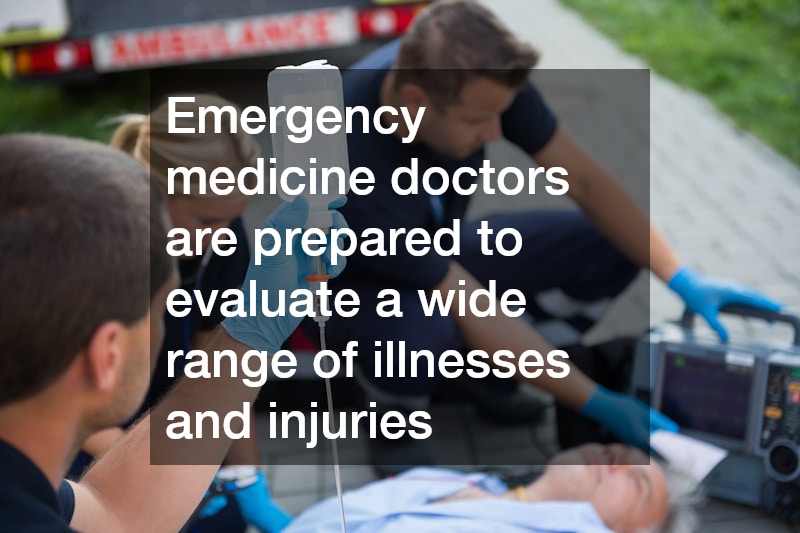
Emergency medicine doctors are prepared to evaluate a wide range of illnesses and injuries, helping patients receive the treatment they need when unexpected health concerns arise. Understanding the situations that require emergency care can help you make informed decisions and avoid delays when every moment matters.
Severe Chest Pain or Breathing Problems Require Immediate Care
Chest pain and difficulty breathing are two of the most serious symptoms that may require emergency medical attention. While these symptoms can have many causes, they may indicate life-threatening conditions such as a heart attack, blood clot, severe asthma attack, or other cardiovascular and respiratory issues.
Chest discomfort that feels like pressure, squeezing, or tightness, especially when accompanied by sweating, dizziness, nausea, or pain spreading to the arm, neck, jaw, or back, should be evaluated immediately. Similarly, sudden shortness of breath, inability to catch your breath, or bluish lips or fingertips can signal a serious medical concern.
Emergency medicine doctors have the training and resources to quickly assess these symptoms, perform necessary testing, and begin treatment as soon as possible. Seeking care early can make a significant difference in managing serious conditions and improving outcomes.
Sudden Injuries and Accidents Need Professional Evaluation
Accidents can happen at any time, and some injuries require more than basic first aid. Falls, car accidents, workplace injuries, sports-related injuries, and other unexpected incidents can result in broken bones, sprains, cuts, head injuries, or internal damage that may not always be immediately visible.
Even when an injury appears minor, symptoms can develop or worsen over time. Head trauma, for example, may not show obvious signs right away but can lead to serious complications. Severe pain, swelling, inability to move a body part, uncontrolled bleeding, or changes in alertness are all reasons to seek emergency care.
Local emergency services provide access to medical professionals who can evaluate injuries, perform diagnostic testing, manage pain, and determine the appropriate next steps for recovery.
Seek Emergency Care for Signs of Stroke
A stroke is a medical emergency where fast treatment is critical. Strokes occur when blood flow to the brain is interrupted or when bleeding occurs in the brain. Recognizing the warning signs and seeking immediate care can help reduce the risk of long-term complications.
Common signs of a stroke may include sudden weakness or numbness on one side of the body, difficulty speaking, confusion, trouble understanding others, vision changes, dizziness, loss of balance, or a sudden severe headache. These symptoms can appear without warning and require immediate evaluation.
Emergency healthcare providers are equipped to quickly assess possible stroke symptoms and begin the appropriate treatment process. Delaying care can increase the potential for lasting effects, making prompt medical attention essential.
High Fevers, Severe Infections, and Worsening Illnesses May Require Emergency Treatment
Not all emergencies happen because of an accident or sudden event. Some illnesses develop gradually but become serious enough to require immediate medical care. High fevers, severe infections, dehydration, and rapidly worsening symptoms can all require evaluation from emergency medicine professionals.
Signs of a serious infection may include confusion, extreme weakness, persistent vomiting, severe pain, rapid breathing, or a fever that does not improve. Certain infections can spread quickly throughout the body and lead to dangerous complications if untreated.
Emergency services provide a place for patients to receive timely assessments, medical testing, and treatment recommendations. This can be especially important when symptoms worsen outside of normal healthcare office hours.
Severe Allergic Reactions Need Fast Medical Attention
Allergic reactions can range from mild discomfort to life-threatening emergencies. A severe allergic reaction, also known as anaphylaxis, can develop quickly and affect breathing, circulation, and overall health.
Symptoms may include swelling of the face, lips, or throat, difficulty breathing, widespread hives, dizziness, fainting, or a rapid heartbeat. When these symptoms occur, emergency care is necessary.
Emergency medicine teams are prepared to respond quickly to allergic reactions and provide treatments that can help stabilize patients. Waiting to see if symptoms improve on their own can be dangerous, especially when breathing or blood pressure is affected.
Know When Children and Older Adults Need Emergency Care
Certain groups, including young children and older adults, may require special attention when experiencing medical concerns. Children may have difficulty explaining their symptoms, while older adults may experience subtle signs of serious conditions that are easy to overlook.
Parents and caregivers should seek emergency services for concerns such as difficulty breathing, unusual drowsiness, severe dehydration, significant injuries, seizures, or sudden changes in behavior. Older adults may need urgent evaluation for symptoms like confusion, falls, weakness, chest discomfort, or sudden changes in mobility.
Prompt medical care can help identify serious problems early and provide appropriate treatment before conditions become more severe.
Choose a Trusted Emergency Care Provider When You Need Help
When a medical concern cannot wait, having access to reliable local emergency services provides peace of mind. Emergency medicine doctors are trained to handle urgent health situations while providing personalized attention and compassionate care.
A quality emergency facility should offer a clean, comfortable environment where patients feel supported throughout their visit. Features such as high sanitation standards, professionally sanitized linens, advanced air filtration, convenient parking, and accessible amenities can help create a more comfortable experience during a stressful time.
Whether you are dealing with a sudden illness, injury, infection, or other urgent medical concern, knowing where to turn can make all the difference. Recognizing the warning signs that require emergency care allows you to act quickly and receive the medical attention you need when it matters most.