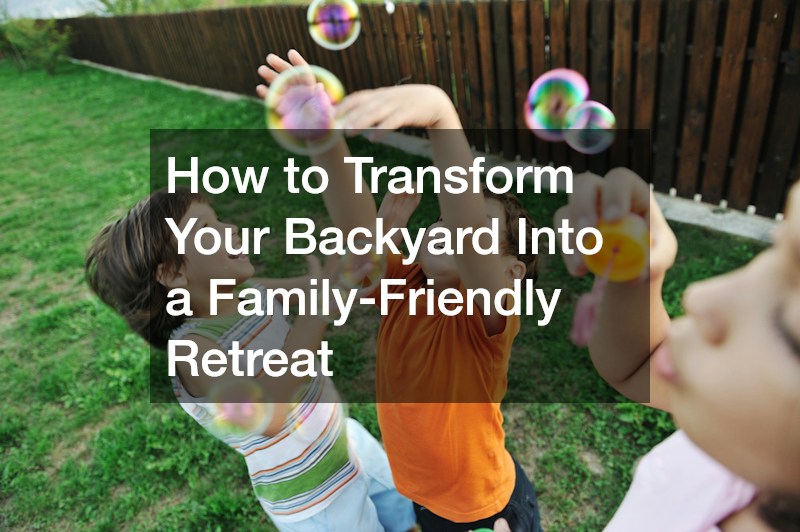

A backyard can become much more than an open patch of grass. With thoughtful planning, it can serve as a gathering place for weekend meals, a play area for children, and a quiet escape when the house feels busy. The most inviting spaces support everyday routines rather than demanding a special occasion to be enjoyed.
Creating that kind of retreat doesn’t require starting over or spending money on every available upgrade. It begins with noticing how your family already uses the yard, what makes being outside inconvenient, and which improvements would make the biggest difference. Shade, seating, privacy, safe walking surfaces, and manageable plants often matter more than elaborate features.
The goal is to create an outdoor environment that grows with your household. A toddler’s play space may eventually become a reading nook or an area for teenagers to spend time with friends. By balancing comfort, security, beauty, and practical maintenance, you can shape a backyard that remains useful through changing seasons and stages of family life. That approach prevents the yard from becoming a collection of unrelated projects. Every improvement should serve a clear purpose, whether that’s easier supervision, more enjoyable meals, or less work afterward.
Plan Around the Way Your Family Lives
Before selecting materials or hiring professionals, spend a few days observing the yard. Notice where sunlight falls during breakfast and dinner, which areas collect water after rain, and how people move between the house and outdoor spaces. Pay attention to sounds from neighboring properties and places where you would appreciate more privacy. These details should guide your design rather than become problems to solve afterward.
Make a list of your household’s priorities, then separate essentials from features that can be added later. Families with young children may need a visible play area near the kitchen door, while households that entertain frequently might prioritize dining space and additional seating. Consider older relatives or anyone who benefits from level pathways, supportive seating, and convenient access to the home. A flexible plan can serve several generations without forcing everyone into the same activity zone. Think about storage early, too. A dedicated place for balls, chalk, cushions, and gardening supplies prevents shared spaces from becoming cluttered and makes cleanup easier for everyone.
Sketch a simple layout with room for movement, gardening, recreation, and relaxation. If the project includes a major patio, outdoor kitchen, or custom shelter, luxury outdoor living space contractors can help evaluate how those features will fit the available space and budget. Ask about drainage, materials, permits, and future maintenance before committing. Even when improvements happen in stages, a shared plan helps each new feature feel connected instead of crowded together.

Design Comfortable Spaces for Gathering
A family retreat needs somewhere people naturally want to settle. Start by choosing a main gathering area close enough to the house that carrying meals, drinks, and supplies isn’t difficult. A stable patio or deck can anchor a table, lounge chairs, and a small storage bench. Arrange furniture so conversations flow easily, leaving enough room to pull out chairs and walk around them without crossing a play area.
Comfort depends on more than furniture. Afternoon sun can make an attractive patio unpleasant, while wind or sudden rain may cut gatherings short. Pergolas, umbrellas, and appropriately placed trees provide varying degrees of shade. Outdoor fans, lighting, and weather-resistant fabrics can also extend the hours when a space feels welcoming. Choose products suited to your climate, and make sure electrical fixtures are rated for outdoor use.
In warmer regions, a covered or screened transition between indoor and outdoor spaces may be especially useful. Homeowners exploring lanai enclosure services can compare options for reducing exposure to insects, creating shade, and keeping the gathering area connected to the house. Before building, review ventilation, enclosure materials, and applicable local requirements. The strongest design isn’t necessarily the largest; it’s the one that makes ordinary family evenings more comfortable and encourages everyone to spend time outside together.
Establish Boundaries That Support Safety
Clear property boundaries can help children understand where they may play and give adults greater peace of mind. Fencing can also add privacy, reduce distractions from nearby roads, and separate active areas from delicate gardens. Before choosing a style, check local height restrictions, property lines, and any neighborhood rules. Consider how much visibility you want, since solid panels create seclusion while open designs let caregivers see across the yard.
Experienced fence contractors can explain the trade-offs between wood, vinyl, metal, and other materials. Ask about durability, upkeep, ground conditions, and how the fence will connect to existing structures. If pets use the yard, look for gaps near the ground and opportunities for climbing or digging. A fence should fit your household’s real habits, not merely match a photograph of someone else’s garden.
Entry points deserve the same attention as perimeter fencing. Gate installation companies can discuss placement, hardware, and designs that complement the fence while allowing convenient access for people, equipment, and emergency responders. Self-closing or locking features may be appropriate in some settings, particularly around pools, but requirements vary by location. Check that gates open smoothly, don’t create pinch points, and remain accessible to those who need them. Practical boundaries make it easier for family members to relax without overlooking important safety considerations.

Make Outdoor Security Feel Natural
Feeling comfortable outside includes knowing who can enter the property and being able to move safely after dark. Start with simple visibility improvements: trim shrubs that block doors, keep paths clear, and light frequently used entrances. Low-glare fixtures can illuminate steps and uneven surfaces without washing out the entire yard. Motion-activated lights may help near a garage or side gate, while softer lighting works better around a dining table. For evening activities, test proposed lighting positions with temporary fixtures before installing anything permanent. This makes it easier to spot harsh glare, dark steps, and shadows near gates.
Some households may also consider residential security cameras near exterior doors, gates, or other access points. If you install them, choose locations that cover your property while respecting neighbors’ privacy. Review storage settings, password protection, and any rules governing recording in your area. Technology can support a security plan, but it shouldn’t replace reliable locks, working lights, or conversations with children about outdoor boundaries.
Design choices can make supervision easier without turning the yard into a controlled environment. Position seating where adults can see play zones, avoid hiding corners behind oversized structures, and keep toys away from driveways or gates. Secure outdoor storage for tools, pool chemicals, and lawn equipment, and inspect locks periodically. When safety features blend into the layout, the backyard can feel open and welcoming while still supporting sensible household precautions.
Shape the Yard With Useful Hardscaping
Paths, patios, walls, and defined edges give a backyard structure. These features help separate energetic play from quieter activities and reduce muddy routes between popular areas. A path from the back door to a garden or seating area can make the space easier to use after rain. Think about comfortable walking widths, stable surfaces, and how strollers or mobility aids might navigate corners and elevation changes.
For substantial projects, hardscaping contractors can assess grading, drainage, soil movement, and appropriate foundations. This matters because a beautiful surface may become a nuisance if runoff collects against the house or paving settles unevenly. Compare materials based on heat, slip resistance, maintenance, and how they’ll feel under bare feet. Gravel can suit certain garden paths, while level pavers or textured concrete may be more practical where children run or furniture needs firm footing.
You can also use materials to tie the yard together visually. Repeated stone tones, simple border shapes, and consistent edging create cohesion without making everything identical. When pricing a smaller do-it-yourself project, local landscape supplies may offer mulch, gravel, edging, and other materials suited to regional conditions. Measure carefully, account for delivery access, and avoid ordering more than you can store safely. A well-organized layout leaves room for games, plants, and future changes rather than filling every available square foot with permanent construction.
Grow a Garden That Works for Everyone
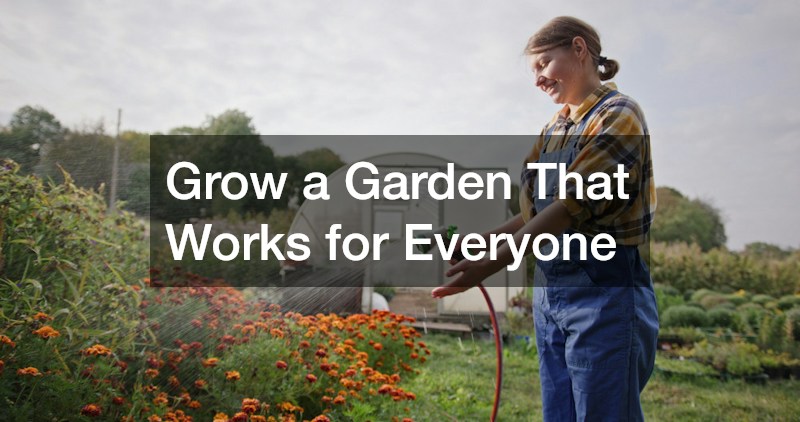
Plants give a backyard softness, seasonal interest, and opportunities for shared activities. Let family members help choose flowers, herbs, or vegetables they would enjoy tending. Raised beds can make gardening easier to organize, while containers allow a small yard to support several growing projects. Place thorny or irritating plants away from frequently used play spaces, and confirm that selected varieties are appropriate around children and pets.
A garden nursery can help you identify plants suited to your region’s sunlight, soil, and growing season. Ask about mature size rather than judging by how a plant looks in a small pot. Leave room between shrubs and walking paths, and consider species that support pollinators without positioning flowering beds directly beside a dining table. Choosing a manageable mix of plants is generally more useful than filling every corner with varieties that require constant attention.
Healthy landscaping also depends on sensible watering. If you’re considering lawn irrigation installation, assess which zones truly need supplemental water and whether drip lines or targeted sprinklers are appropriate. Schedule watering according to local guidance, rainfall, and seasonal conditions rather than running a fixed program year-round. Grouping plants with similar moisture needs can reduce waste and simplify care. By matching plant choices to the site, you’ll spend less time correcting problems and more time enjoying the garden with your family.
Reduce Insects and Weather-Related Discomfort
A backyard feels less inviting when every gathering involves swatting insects or retreating indoors because of the elements. Begin with prevention: empty standing water from toys and containers, clean gutters, and keep drainage areas functioning. Mosquitoes can breed in surprisingly small collections of water, so regular checks after rain are worthwhile. Trim overgrown vegetation near seating areas and keep lawn edges maintained to make routine inspections easier.
For properties with persistent biting insects, tick and mosquito spraying may be one option to discuss with a qualified pest professional. Ask what treatment targets, when it should be applied, how it may affect beneficial insects, and what precautions are necessary for children and pets. Follow product labels and local recommendations. Combining habitat management with targeted treatment, when appropriate, is more thoughtful than relying on spraying alone.
Weather planning matters just as much. Keep a shaded spot available during hot afternoons, and store cushions where they can dry between uses. Avoid placing play structures beneath damaged branches or in areas prone to flooding. Check that canopies and umbrellas are secured according to their instructions, and put them away when strong winds are expected. With a few preventive habits, small interruptions are less likely to spoil an otherwise enjoyable afternoon outside.
Keep the Retreat Flexible and Easy to Maintain
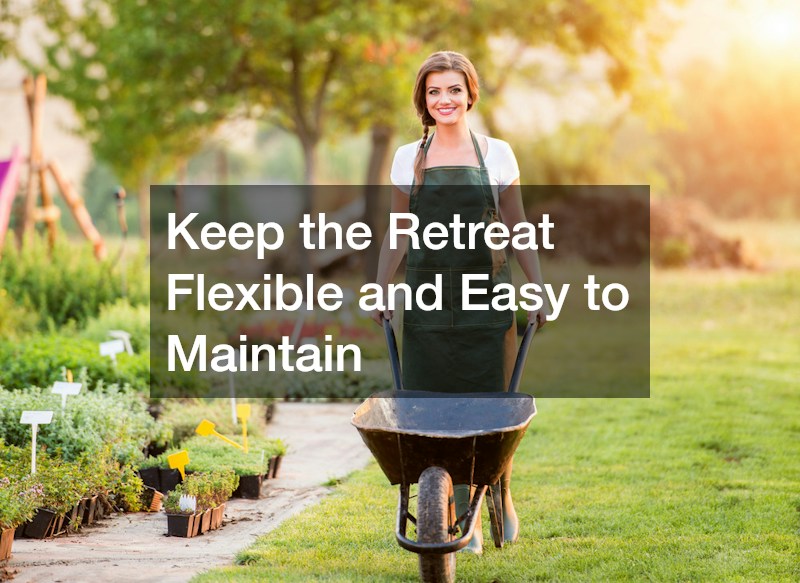
A successful backyard isn’t finished when the last planter arrives. It stays successful because the household can care for it without sacrificing every weekend. Choose durable furniture, washable fabrics, and storage that keeps sports equipment, gardening tools, and toys off pathways. Keep commonly used items close to where they’re needed, so setting up a meal or putting away games doesn’t become a chore. Simple routines often do more for comfort than additional decorations.
Create a seasonal checklist that includes cleaning outdoor surfaces, checking fences and gates, inspecting lighting, and pruning plants where necessary. Review drainage after heavy rain and address slippery spots before they become recurring hazards. Children can participate by watering containers, collecting toys, or helping choose what to grow next. These small responsibilities help them feel connected to the space while keeping maintenance manageable for adults.
Leave space for your family’s preferences to change. A sandbox might eventually become an herb bed, while an open patch of grass may later accommodate a fire pit or reading corner. When making permanent upgrades, preserve access to utilities and consider how future needs could reshape the layout. The most rewarding backyard retreat isn’t defined by expensive amenities or a picture-perfect appearance. It’s a place where everyday moments feel easier, family members have room to be themselves, and spending time together becomes a natural part of home life.