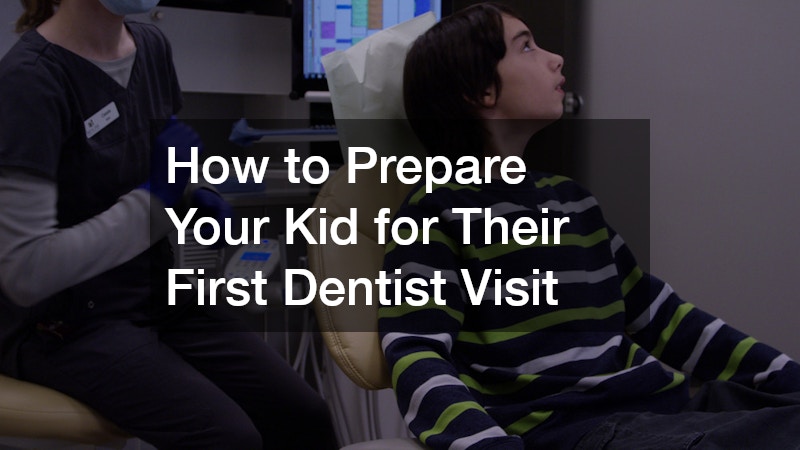

Your child’s first visit to the dentist is an important milestone in their early health journey. While many parents feel excited about helping their child build healthy habits, the experience can also come with a bit of uncertainty and nervousness. Kids are naturally curious, and when they encounter new environments or unfamiliar tools, they may feel unsure about what will happen. Preparing your child ahead of time can transform that first appointment from a stressful moment into a positive and confidence building experience.
A thoughtful approach to preparation helps your child feel secure, supported, and ready to learn about oral health in a fun and gentle way. Instead of viewing the first appointment as something to fear, children can begin to see dental care as a normal and important part of growing up. If you’re looking for some practical steps to take with your child before, during, and after that first visit, here are a few ideas to help your child feel more comfortable and informed about the experience.
By understanding why the first visit matters, choosing the right dental professional, and using playful and age appropriate strategies to explain what to expect, you can give your child a strong and positive start to lifelong oral health routines.
Understanding Why the First Dental Visit Matters
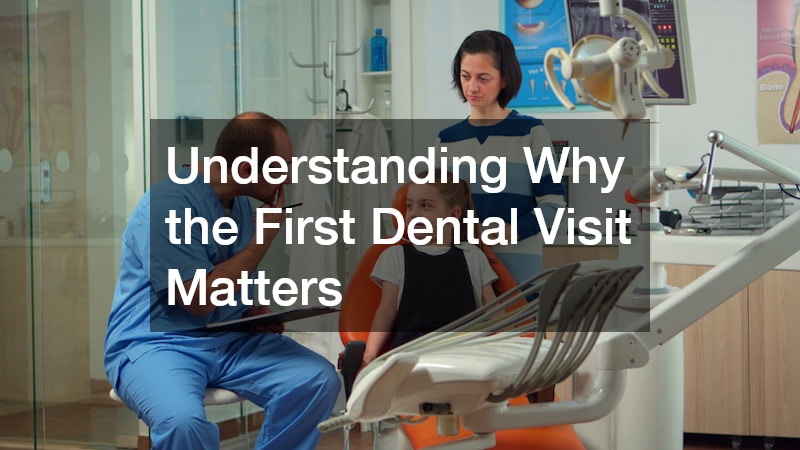
The first dentist visit introduces your child to a new environment, and it sets the tone for how they will feel about future care in dental offices. A calm, positive experience during this first appointment helps create trust between your child and their care provider. It also allows parents to learn more about their child’s developing teeth, growth patterns, and habits that support long term oral health.
Early dental visits are not only about checking for cavities or potential concerns. They also give parents the opportunity to ask questions, understand proper cleaning techniques, and learn how diet and daily habits affect a child’s smile. When children begin their dental care journey at a young age, they are more likely to feel comfortable returning for regular appointments later on.
This foundation of familiarity can help reduce anxiety, prevent fear based reactions, and encourage better cooperation over time. A positive first visit supports your child’s overall confidence, helping them understand that oral care is a normal and healthy part of life.
Choosing a Kid-Friendly Pediatric Dentist
Selecting the right care provider plays an important role in how your child experiences their first appointment, and many parents feel most comfortable choosing a family dentist who enjoys working with young children. A welcoming and child focused environment can make a big difference in your child’s comfort level, especially during their first visit when everything feels new.
When researching providers, look for an office that feels warm, friendly, and patient centered. Staff members who speak gently, explain things clearly, and take their time with your child can help reduce fear and uncertainty. It is also helpful to choose a provider who understands the emotional and developmental needs of young patients.
You may want to schedule a brief introductory visit to allow your child to see the space before the appointment. This gives them a chance to become familiar with the surroundings, meet the team, and feel more at ease. The right dental professional not only cares for your child’s oral health but also supports their emotional comfort throughout the process.
Talking to Your Child About What to Expect
Open communication makes a big difference when preparing your child for their first appointment, and many parents choose to explain the experience in simple and reassuring language, sometimes comparing it to routine activities like teeth cleaning. Children benefit from honest but gentle explanations that help them understand what will happen without overwhelming them. When they know what to expect ahead of time, they are less likely to be surprised or frightened by the new sights, sounds, and tools they may see during the visit.
Instead of using scary or unfamiliar words, focus on describing the visit as a friendly check to make sure their smile is healthy and strong. Let your child know that the dentist will count their teeth, look at their mouth, and help them learn how to keep their smile bright. You can explain that the dentist’s job is similar to how a doctor cares for their body, but this visit is specially focused on their mouth and teeth. Reassure them that you will be there to support them throughout the appointment and that the dentist and staff are kind helpers who want them to feel comfortable and safe.
Encourage your child to ask questions or share any worries. Listening to their thoughts helps them feel safe and heard, and it also gives you the opportunity to gently correct any misconceptions or fears they may have picked up from stories or television. You might practice simple calming strategies together, such as taking slow breaths or squeezing your hand if they start to feel nervous. By turning the conversation into a positive learning experience, you help reduce fear and increase curiosity, which can make the first visit feel calmer and more manageable while also building your child’s confidence about future appointments.
Reading Books and Watching Videos About the Dentist

One of the most effective ways to make the first appointment feel familiar is to expose your child to stories and visuals about visiting a dentist, such as reading picture books or watching age appropriate clips that introduce the idea of a dental cleaning appointment in a fun and gentle way. These materials show children that many other kids experience the same thing and that it is a normal part of growing up.
Books and videos often present dental visits using friendly characters, bright illustrations, and simple explanations. This helps children understand that the dentist is there to help them, not to frighten them. Seeing positive examples builds comfort and helps remove the mystery surrounding what happens during an appointment.
You can talk with your child about what they see in the story or video, pointing out tools, steps, or friendly staff members. These conversations support understanding and help your child visualize what their own visit may be like, reducing anxiety and encouraging a sense of familiarity.
Practicing “Dentist Playtime” at Home
Role playing is a wonderful preparation strategy because it allows your child to explore the experience in a safe and playful environment while you pretend to provide dental services during make believe games. You can take turns acting as the child and the dentist, gently counting teeth, using a small mirror, or pretending to check their smile.
This type of imaginative play gives children a sense of control and involvement. Instead of feeling unsure about what will happen, they become active participants in the learning process. You can explain each pretend step as you go, using kind and encouraging language to help your child feel secure.
Practicing at home also helps children get used to sitting still, opening their mouth, and following simple instructions, all of which can make the real appointment smoother. By turning preparation into a fun game, your child begins to associate dental care with playfulness rather than fear.
Scheduling the Appointment at the Right Time of Day
The timing of the appointment can strongly influence your child’s mood and cooperation level, which is why many parents prefer to coordinate their visit with their child’s natural routine, especially when seeking care within family dentistry settings. Younger children often do best earlier in the day when they are well rested and alert.
Avoid scheduling during nap times, meal times, or periods when your child may feel tired or overstimulated. A comfortable child is more likely to respond calmly, listen to instructions, and feel positive about the experience.
Consider your child’s energy patterns and emotional rhythms. If mornings are calm and predictable, that may be the best choice. If your child tends to warm up later in the day, a late morning or early afternoon appointment may work better. The goal is to choose a time when your child feels relaxed, comfortable, and ready to cooperate.
What to Bring to Your Child’s First Dentist Visit

Preparing a few helpful items ahead of time can make the first appointment smoother, especially when visiting a specialist such as a periodontist who may review your child’s oral development in detail. Parents may want to bring identification, insurance information, medical history forms, and any questions they would like to discuss with the provider.
For your child, consider bringing a favorite toy, blanket, or stuffed animal for comfort. Familiar objects provide emotional support and help your child feel secure in a new environment. You may also want to pack a small snack or drink for after the appointment, depending on the provider’s guidelines.
Having everything ready reduces stress for both you and your child. It allows you to focus on supporting them emotionally, answering their questions, and helping them feel confident as they experience their first visit.
Helping Your Child Feel Calm in the Waiting Room
The waiting room is often the first part of the visit your child experiences, and how they feel during this time can influence their overall comfort level, especially if they are nervous about procedures such as teeth fillings that they may have heard about from others. Creating a calm, reassuring environment helps your child relax while they wait.
You can bring quiet activities such as picture books, coloring pages, or small toys to keep them engaged. Talk to your child in a soothing tone, reminding them that you are there with them and that the visit is simply a checkup to help keep their smile healthy.
If your child begins to feel anxious, guide them through slow breaths or gentle distraction techniques. Focus on helping them feel safe and supported. A relaxed mindset in the waiting room makes it easier for them to transition confidently into the exam area when it is time.
Supporting Your Child During the Dental Exam
Being present and encouraging during the appointment itself is one of the most important forms of support you can offer, especially during early dental cleaning appointments when your child is still learning what to expect. Your calm demeanor helps reassure them that they are safe and cared for.
Stay close to your child, hold their hand if permitted, and offer gentle words of comfort. Allow the dental care provider to explain each step so your child understands what is happening. When children feel included and informed, they are more likely to remain cooperative and relaxed.
Celebrate small successes throughout the exam, such as sitting still or following instructions. Positive reinforcement builds confidence and helps your child feel proud of their effort, making future visits easier and more comfortable.
Encouraging Positive Habits After the First Visit

Once the appointment is complete, reinforce your child’s experience by celebrating their bravery and helping them understand the importance of routine care, especially as they continue to visit a general dentists office for future checkups. Talk about what went well and praise their courage and cooperation during the visit.
At home, continue building healthy habits such as brushing twice a day, practicing gentle flossing when appropriate, and maintaining a consistent oral care routine. Turn brushing time into an enjoyable activity through songs, timers, or reward charts that encourage responsibility and participation.
By connecting the first visit to ongoing positive habits, your child develops a strong foundation for lifelong oral health. They begin to recognize that dental care is not just a one time experience but an important and beneficial part of growing up.
Preparing your child for their first dentist visit requires patience, encouragement, and thoughtful planning, but the effort produces long lasting benefits. A positive early experience helps shape how your child feels about oral health care for years to come, building confidence and trust in the process.
By choosing the right provider, talking openly about what to expect, using playful learning tools, and offering strong emotional support throughout each step, you can help your child approach their appointment with curiosity instead of fear. With the right preparation, their first visit becomes an opportunity to build healthy habits, strengthen resilience, and create a bright foundation for a lifetime of confident smiles.