

Our homes are more than just physical structures; they are the primary environments where our health is forged. From the air we breathe to the water we drink and the routines we establish within our four walls, every element of our domestic life plays a role in our long-term wellness. In an era where we spend a significant portion of our time indoors, the intersection of home maintenance and lifestyle habits has never been more critical.
Improving family health isn’t always about radical changes. Often, it is the result of subtle shifts in how we manage our surroundings and how we prioritize preventive care. By viewing our home as a living organism that requires regular upkeep, we can create a sanctuary that fosters physical resilience, mental clarity, and emotional stability for every member of the household.
Optimizing Your Indoor Air Quality and Respiratory Health

The air inside a modern home can often be more polluted than the air outside. Dust mites, pet dander, and volatile organic compounds (VOCs) from furniture can accumulate, leading to “Sick Building Syndrome.” To combat this, air circulation and moisture control must be your top priorities. A home that doesn’t breathe cannot support a family that thrives. When we seal our homes tightly for energy efficiency, we often trap pollutants inside, creating a stagnant environment that can trigger chronic fatigue and headaches.
- Humidity Regulation: Keep your home’s humidity levels between 30% and 50%. Anything higher encourages the growth of fungi; anything lower can irritate the mucous membranes in the nose and throat.
- The HEPA Standard: Use vacuum cleaners and air purifiers equipped with HEPA filters to capture microscopic particles that standard filters miss.
- Ventilation Habits: Open windows for at least 15 minutes a day, even in winter, to flush out stale air and carbon dioxide buildup.
- Botanical Filters: Incorporate indoor plants like spider plants or snake plants, which are known to absorb trace amounts of toxins from the air.
When moisture is left unchecked—perhaps due to a slow leak in the attic or a poorly ventilated basement—it can lead to hazardous fungal growth. If you discover a significant patch of fuzzy, dark growth in a damp area like a basement or behind a leaking shower wall, professional black mold removal is essential. Attempting to scrub large colonies yourself with bleach often only kills surface spores while the roots remain, and the act of scrubbing can release millions of spores into the air, worsening respiratory issues like asthma or chronic bronchitis.
Furthermore, your HVAC system is the “lungs” of your home. If the system is struggling, it isn’t just costing you money; it’s likely circulating dust, pollen, and debris throughout every room. Staying on top of regular heating repairs ensures that your furnace or heat pump operates cleanly and efficiently. A well-maintained heater prevents the buildup of soot and ensures that the heat exchanger remains intact, preventing the dangerous leakage of combustion gases like carbon monoxide into your living spaces.
Cultivating a Chemical-Free and Sanitized Living Space
Sanitization is an intricate balancing act that addresses the fundamental need to maintain a clean and healthy living environment while minimizing potential health risks. While the primary goal is to eliminate harmful bacteria from the surfaces in our homes, there is a growing awareness regarding the adverse effects of over-using heavy-duty cleaning agents. These harsh chemicals, which can be found in many conventional cleaning products, have the potential to introduce toxins into our bloodstream through direct skin contact or through inhalation. Many of these cleaners are packed with substances like phthalates and ammonia. Phthalates are known for their ability to disrupt hormones, affecting the endocrine system, while ammonia can cause skin irritation and is especially problematic for those with respiratory conditions or sensitive skin. Therefore, transitioning to a “green” cleaning philosophy offers a promising alternative for many households. This approach not only safeguards the developing immune systems of children but also protects the sensitive respiratory tracts of the elderly, creating a safer home environment for all.
- Microfiber Power: High-quality microfiber cloths have star-shaped fibers that can remove up to 99% of bacteria from surfaces using only water, reducing the need for bleach-based sprays.
- Natural Disinfectants: White vinegar, baking soda, and lemon juice are remarkably effective at cutting grease and killing common germs without leaving toxic residues.
- The “No-Shoes” Policy: Implementing a strict rule to remove shoes at the door prevents pesticides, lead dust, and fecal matter from being tracked onto carpets where children play.
- HEPA Dusting: Instead of using a feather duster that simply moves particles around, use a damp cloth or a vacuum attachment to truly remove dust from the environment.
For many busy families, the deep cleaning required to keep allergens at bay can be overwhelming. Utilizing a professional cleaning service can bridge the gap between daily tidying and true environmental hygiene. These experts have the high-grade equipment and specialized knowledge to reach high-dust areas, such as the tops of ceiling fans, deep upholstery, and behind heavy appliances, that are often neglected in daily routines. This allows the family to maintain a baseline of hygiene that supports better sleep, reduced skin irritation, and fewer allergy flare-ups.
Water Safety and System Integrity
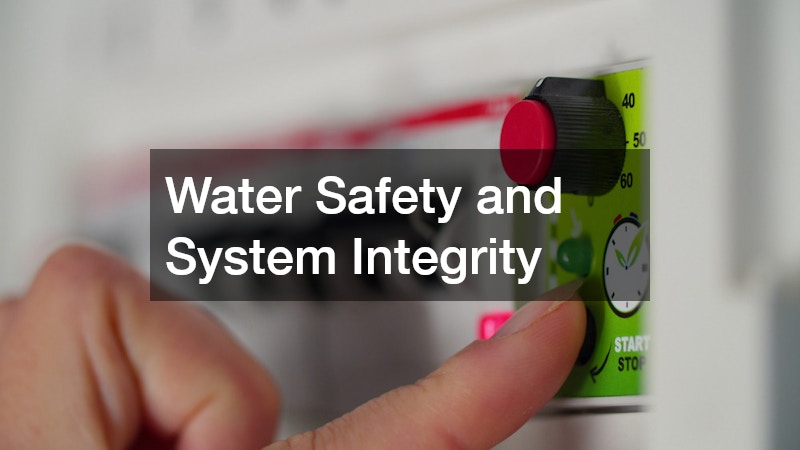
We often take the safety of our tap water for granted, but the infrastructure delivering that water is subject to decay. Biofilm—a slimy layer of bacteria—can grow inside pipes, and old solder can leach heavy metals like lead or copper. Ensuring your water remains a source of life rather than a source of illness requires a proactive approach to your home’s “circulatory system.” Water is the foundation of our biology; when it is compromised, our cellular health follows suit.
- Thermal Control: Ensure your water heater is set to 120°F (49°C). This is hot enough to kill most pathogens, such as Legionella, while being cool enough to prevent accidental scalding.
- Filter Maintenance: If you use a pitcher or a refrigerator filter, change it religiously. An expired filter can actually become a breeding ground for bacteria as the carbon media degrades.
- Morning Flush: If your water has been sitting in the pipes overnight, run the cold tap for two minutes before drinking to clear out any metals that may have leached into the standing water.
Hidden leaks are more than a nuisance; they provide the moisture necessary for pests and fungi to thrive inside the very structure of your home. Engaging professional plumbing services for an annual inspection can identify “silent leaks” inside walls or under floorboards before they compromise your home’s air quality or structural integrity. Similarly, the drainage system is vital for whisking waste away safely. Routine drain cleaning prevents the buildup of organic matter, hair, and grease which, if left to rot, can release foul odors and harbor drain flies and bacteria that contaminate kitchen surfaces. Keeping the pathways clear ensures that waste never finds its way back into your living environment.
Backyard Wellness and Outdoor Safety
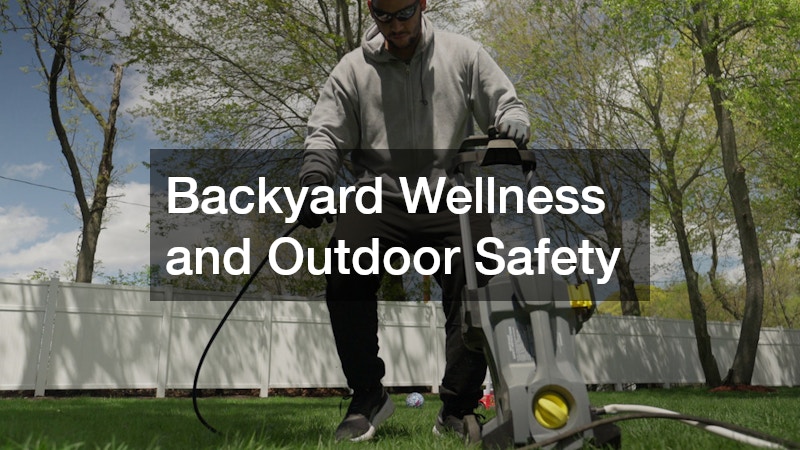
A healthy lifestyle includes significant time spent outdoors, but your backyard must be a safe environment for play and relaxation. From the chemicals used on the lawn to the maintenance of recreational areas, outdoor habits are an extension of family health. A yard should be a place of recovery, not a source of chemical exposure or physical injury.
- Organic Landscaping: Avoid synthetic pesticides and fertilizers. Children and pets are more susceptible to these chemicals due to their smaller size and proximity to the ground.
- Sun Safety Stations: Keep a basket near the back door stocked with mineral-based sunscreens, polarized sunglasses, and wide-brimmed hats to make sun protection an effortless habit for kids.
- Stagnant Water Management: Regularly empty birdbaths, flowerpot saucers, and clogged gutters to prevent them from becoming breeding grounds for mosquitoes.
For families with a pool, water hygiene is a daily responsibility. Beyond just adding chlorine, the mechanical filtration must be flawless to catch contaminants that chemicals alone cannot neutralize. If you notice the water remains cloudy despite chemical balance, you likely need pool filter repair to ensure that fine particulates, algae spores, and pathogens are being physically removed from the water. Moreover, an untended yard can become a haven for disease-carrying insects. Professional pest control can help manage mosquito and tick populations through environmentally conscious methods, significantly reducing the risk of Lyme disease or West Nile virus during the summer months when families spend the most time outside.
Protecting the Sanctuary from Unseen Intruders
The presence of wildlife inside a home is a major health hazard that goes beyond mere property damage. Rodents and insects are not just a nuisance; they are vectors for various diseases and can cause severe allergic reactions in sensitive individuals. Their presence often signals a breakdown in the home’s protective envelope, allowing external allergens to bypass your defenses.
- Seal the Envelope: Inspect the exterior of your home for gaps. Mice can fit through a hole the size of a pencil. Use steel wool and caulk to block these entries, as rodents cannot chew through metal mesh.
- Sanitary Food Storage: Move dry goods from cardboard boxes to airtight glass or metal containers. This removes the “scent trail” that attracts pests and ensures your food supply remains untainted.
- Waste Management: Keep outdoor trash cans tightly sealed and located away from the house to avoid luring animals toward your entry points.
If an infestation has already taken root, DIY traps are rarely sufficient for a full-scale health protection plan because they only address the visible symptoms, not the colony. Professional rodent removal services are necessary to not only remove the animals humanely and effectively but also to sanitize the nesting areas. These hidden spots are often contaminated with urine, saliva, and droppings that can carry Hantavirus or Salmonellosis. Removing these biological triggers is a crucial step in maintaining a home environment that supports healthy lungs and a strong immune system for your children.
Proactive Healthcare Habits for the Modern Family

While the home environment serves as the initial protective shield in maintaining our health, it is imperative to acknowledge the essential role played by consistent interactions with healthcare professionals as the subsequent line of defense. Health should not be seen merely as the absence of disease, but rather as a holistic state of complete physical, mental, and emotional well-being. Achieving and maintaining this state necessitates regular health monitoring and the insightful guidance of medical experts. Many individuals are inclined to delay seeking medical advice until they are unwell, yet it is crucial to understand that the most favorable health outcomes arise from a proactive approach, focusing on prevention rather than reactive treatment.
- The Family Health Calendar: Schedule all annual check-ups in the same month so they aren’t forgotten. This includes physicals, eye exams, and skin checks.
- Mental Health Check-ins: Establish a “roses and thorns” dinner tradition where family members can share their high and low points of the day, fostering emotional health and open communication.
- Sleep Hygiene: Maintain a consistent sleep schedule even on weekends. A well-rested family has a much stronger immune response to common viruses.
The most important relationship you can have in the medical field is with a trusted family doctor. This professional acts as a navigator for your health, noticing trends over decades that a walk-in clinic would miss. They are your primary resource for preventive screenings, vaccinations, and nutritional advice tailored to your specific lifestyle. In tandem with general medicine, oral health must be prioritized as a pillar of total body wellness. Regular dental care is about more than a bright smile; it is about preventing systemic inflammation. Periodontal disease has been linked to heart disease, strokes, and diabetes, making those six-month cleanings and check-ups a vital part of your overall longevity strategy.
Building a healthy home and lifestyle is a continuous journey of small, intentional choices. By addressing the physical integrity of your living space—from the quality of the air and water to the exclusion of pests—you create an environment where health can flourish naturally. When you pair these environmental standards with proactive medical and dental habits, you provide your family with a robust foundation for a long, vibrant life.
The transition to a healthier lifestyle doesn’t have to happen overnight. Start by picking one area of the home to optimize this month. Whether it’s refining your cleaning routines or scheduling a long-overdue check-up, each action is a brick in the wall of your family’s protection. A healthy home is the ultimate gift, providing the safety and energy everyone needs to pursue their dreams with confidence.