
As the population continues to age, more families are exploring options that allow older adults to remain safe, comfortable, and independent in their own homes. Despite growing demand, many misconceptions still surround senior in home care services, often causing hesitation or confusion for families who could benefit from them. These myths can lead people to delay care or overlook solutions that would greatly improve quality of life for seniors and their loved ones.
Understanding what in home care services truly offer is essential when making informed decisions about aging and support. From cost concerns to assumptions about independence, misinformation can cloud judgment at an already emotional time. By breaking down some of the most common myths, families can better evaluate whether in-home care is the right choice for their situation.
Myth 1: Believing In-Home Care Is Only for Medical Needs
One of the most widespread misconceptions is that senior in home care services are only necessary for seniors with serious medical conditions. Many people assume in-home care is the same as home health care, which typically involves skilled nursing or medical treatments. In reality, in-home care covers a much broader range of non-medical support designed to help seniors manage daily life.
Caregivers often assist with tasks such as meal preparation, light housekeeping, transportation, and companionship. These services play a crucial role in maintaining a senior’s physical and emotional well-being, even if they are relatively healthy. Help with everyday activities can reduce fall risks, prevent isolation, and make daily routines more manageable.
In home care services are also highly flexible. Care can be scheduled for a few hours a week or expanded as needs change over time. This adaptability makes in-home care a practical option not only for seniors with health challenges but also for those who simply need extra support to age comfortably at home.
Myth 2: Assuming In-Home Care Takes Away Independence
Another common myth is that bringing a caregiver into the home means giving up independence. Many seniors fear that accepting help signals a loss of control or personal freedom. In reality, senior in home care services are designed to do the opposite by supporting independence rather than replacing it.
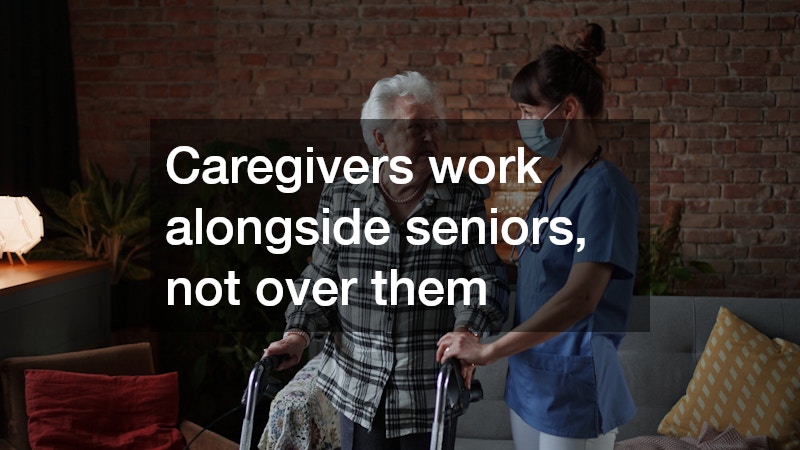
Caregivers work alongside seniors, not over them. Their role is to assist where needed while encouraging individuals to remain active and involved in their own routines. Whether it is helping with bathing, medication reminders, or errands, the goal is to empower seniors to continue making their own choices.
By providing assistance with challenging or risky tasks, in home care services can actually help seniors stay in their homes longer. This sense of familiarity and autonomy often contributes to better mental health and overall satisfaction compared to moving into a facility. Independence is not about doing everything alone. It is about having the right support to live safely and confidently.
Myth 3: Thinking In-Home Care Is Too Expensive
Cost concerns are one of the biggest reasons families hesitate to explore in-home care. Many assume senior in home care services are unaffordable or more expensive than residential care options. While costs vary, in-home care is often more budget-friendly than people expect.
Because care is customizable, families only pay for the level of support they need. A senior who requires help a few hours a day will pay significantly less than someone needing round-the-clock care. This flexibility allows families to manage expenses while still ensuring their loved one receives meaningful assistance.
When compared to assisted living or nursing facilities, senior in home care services can be a cost-effective alternative. Facility fees often include services a senior may not need, whereas in-home care focuses solely on individualized support. Additionally, staying at home can reduce indirect costs related to relocation, emotional stress, and loss of familiar routines.
Why These Myths Persist
Misunderstandings about in home care services often stem from outdated information or personal assumptions. As care models evolve, many families are not aware of how personalized and accessible in-home care has become. Without accurate knowledge, decisions are sometimes made based on fear rather than facts.
Clear information helps families plan proactively instead of reacting during a crisis. When people understand that senior in home care services can grow with changing needs, preserve independence, and fit within a range of budgets, they are more likely to view care as a supportive resource rather than a last resort.
Open conversations between seniors and family members are also key. Addressing myths early allows everyone involved to align expectations and explore options together, reducing stress when care eventually becomes necessary.
Choosing the right type of care is a deeply personal decision, and misinformation can make that process far more difficult than it needs to be. By debunking these common myths, families can see in home care services for what they truly are: flexible, supportive, and centered on enhancing quality of life.
Rather than signaling loss of independence or overwhelming expense, senior in home care services often provide peace of mind, safety, and comfort for both seniors and their loved ones. With accurate information and thoughtful planning, families can make confident decisions that respect dignity, independence, and the desire to age at home.