

Every home tells a story through the subtle shifts and quiet changes that happen over time. A small stain on the ceiling after a heavy rainstorm or a faint squeak coming from an old step might seem like minor details that you can easily ignore until next season. However, your home operates as a complex, interconnected system where every structure relies heavily on the structural health of the rest. When one component suffers even a minor breakdown, the stress spreads quickly to neighboring parts of the building. Ignoring a tiny crack in your masonry or delaying a simple seal replacement on an exterior boundary often sets off a silent domino effect. What begins as a tiny, harmless nuisance can rapidly snowball into a devastating structural issue that demands an enormous chunk of your hard-earned savings.
1. Guarding Your Upper Shield
Protecting the elevated top layer of your property is essential because it serves as your primary defense against rain, snow, and sunlight. When weather elements manage to penetrate your upper barriers, moisture sneaks directly into attic framing and interior walls. Minor issues like missing flashing or a couple of warped shingles can easily escape notice from the ground level. Over time, unseen water intrusion breeds destructive rot, ruins insulation efficiency, and breeds hidden mold colonies that threaten indoor air quality. Schedule regular visual checks every spring and autumn to spot early signs of wear before severe storms transform minor drips into expensive interior water damage disasters.
Taking early action on your upper exterior involves simple habits that deliver massive long-term protection.
- Clear debris from drainage channels to prevent water back-up.
- Check perimeter flashing surrounding vents and structural intersections.
- Inspect materials closely after major windstorms or severe hailstorms.
Staying vigilant ensures your entire building envelope stays dry, sturdy, and well-equipped to handle harsh weather conditions year after year without unexpected costs. When major wear occurs, hiring certified roofers becomes necessary to restore full structural protection.
2. Defending Exterior Wall Surfaces
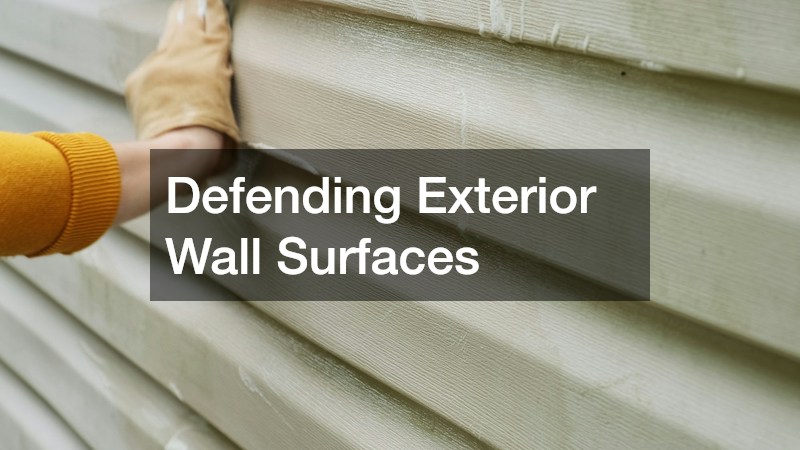
Your exterior walls endure relentless exposure to driving wind, baking sun rays, and freezing seasonal temperatures. Over time, aging exterior materials crack, warp, or peel, exposing the raw structural framing underneath to destructive environmental moisture. Water that creeps behind your exterior shell damages wood sheathing and leads to invisible structural decay. Timely exterior maintenance creates an impermeable barrier that seals out water, blocks drafts, and keeps your home looking fresh and inviting. Regularly washing exterior surfaces and addressing minor gaps with durable sealants ensures your home retains both its structural durability and curb appeal.
Keeping exterior walls in prime condition requires systematic care and attention to subtle visual details.
- Inspect seams and joints for failing caulk or open gaps.
- Clean away dirt, algae, and mildew using gentle exterior cleansers.
- Look for bubbling or peeling paint that signals trapped subsurface moisture.
Investing in minor repairs as soon as problems appear saves thousands on total structural restoration down the road. If the outer cladding is damaged beyond simple touch-ups, consulting a reputable siding company provides long-term peace of mind and enhanced energy performance.
3. Upgrading High-Durability Roof Structures
Selecting resilient materials for your elevated cover significantly reduces the frequency of ongoing structural repairs. Traditional roofing options often degrade faster under extreme temperatures, requiring frequent patch jobs and eventual full replacements. Modern heavy-duty materials offer incredible weather resistance against high winds, heavy snow loads, and severe hail impact. Investing in superior top-tier coverage eliminates constant worry about hidden moisture leaks and lowers lifetime structural maintenance expenses. A well-built protective upper structure also improves total energy conservation by reflecting solar radiation away from your living space during hot summer months.
Consider the long-term benefits of installing heavy-duty, weather-resistant structural materials on your upper level.
- Exceptional resistance to extreme wind speeds and severe hail damage.
- Extended lifespan compared to standard traditional building materials.
- Superior fire resistance that enhances total residential safety.
Upgrading your upper defense structure provides long-lasting value and lowers your annual maintenance needs significantly. When you’re ready for a major structural improvement, professional metal roof installation provides unmatched longevity and top-tier weather defense for decades.
4. Enhancing Outer Boundary Lines
Maintaining the structural boundaries around your property protects your yard, preserves outdoor privacy, and boosts overall curb appeal. Outer boundary structures face constant exposure to ground moisture, soil shifts, pest activity, and direct solar exposure. Rotting posts, sagging gates, or cracked panels not only look unappealing but can also present safety hazards for pets and family members. Timely structural upkeep prevents localized damage from spreading across entire fence lines, avoiding the need for total perimeter replacement. Keeping boundaries clean, stable, and well-aligned preserves your property footprint and maintains clear division lines with surrounding neighbors.
Routine checks keep your outer perimeter looking sharp and functioning properly through all weather conditions.
- Inspect boundary posts for leaning or underground soil instability.
- Wash surfaces regularly to prevent algae growth and deep discoloration.
- Tighten loose hardware, hinges, and structural fasteners promptly.
Addressing small boundary issues early keeps your outdoor living space secure, beautiful, and low-maintenance. Homeowners seeking durable, hassle-free perimeter solutions often turn to a vinyl fencing service for long-lasting, weather-proof boundary protection.
5. Revitalizing Exterior Aesthetic Layers

The outer coating of your home does far more than create an attractive visual appearance for visitors. Fresh exterior coatings act as a primary weatherproofing barrier that shields wood, masonry, and siding from damaging moisture intrusion. Over time, sunlight breaks down protective finish layers, allowing water to penetrate wood fibers, cause swelling, and foster wood rot. Reapplying protective finishes before the existing coat completely degrades prevents underlying structural materials from drying out, cracking, or decaying. Maintaining strong exterior surface coatings significantly extends the working lifespan of your siding, trim, and exterior architectural features.
Maintaining vibrant, protective outer coatings requires thoughtful care and timely surface preparation steps.
- Scrape away loose, flaking finish layers before applying fresh sealant.
- Fill surface cracks with durable, exterior-grade flexible caulk.
- Wash surfaces thoroughly to ensure optimal adhesion for fresh coatings.
Keeping your exterior fully protected maintains property value and prevents expensive wood replacement costs later. Engaging experts in house painting ensures smooth application, proper surface preparation, and enduring protection against tough seasonal elements.
6. Optimizing Thermal Air Circulation
Maintaining optimal internal climate performance requires consistent care of your air distribution networks and heat management systems. Over time, dirt, dust, and airborne debris collect inside ventilation ducts, restricting air movement and forcing systems to work much harder. Restrictive airflow increases energy usage, spikes monthly utility costs, and places unnecessary mechanical stress on internal components. Replacing air filters regularly and keeping air return vents free from obstruction ensures smooth airflow throughout every room.
Consistent attention to air circulation components extends system longevity and optimizes household comfort levels.
- Change air intake filters every one to three months.
- Keep return grilles and supply vents unblocked by furniture or drapes.
- Vacuum air registers frequently to eliminate accumulated household dust.
Proactive airflow management prevents minor mechanical friction from developing into severe internal system failures. By keeping air moving freely, you protect internal equipment, lower operational expenses, and maintain balanced temperatures across every square foot of your home.
7. Refreshing Cooling System Efficiency
As summer temperatures rise, your central cooling system becomes essential for maintaining a comfortable and safe indoor environment. Internal components like evaporator coils, condenser fins, and drainage lines collect dirt and debris over time, reducing cooling power. A neglected cooling unit must run longer cycles to reach desired thermostat settings, leading to inflated electricity costs and premature motor wear. Simple preventive measures, such as clearing debris from around outdoor units and flushing condensate lines, keep the system operating smoothly.
Keep your cooling equipment operating at peak performance by establishing a simple seasonal maintenance routine.
- Clear leaves, grass, and debris two feet around outdoor condenser units.
- Check drain lines regularly to prevent clogged water backups and overflow.
- Clean indoor return vents to support unrestricted internal airflow.
Staying proactive with cooling maintenance ensures reliable operation, lowers utility bills, and extends total equipment life. If your cooling system struggles to maintain cool temperatures, scheduling professional air conditioning repairs restores optimal climate control and prevents severe motor burnout.
8. Safeguarding Elevated Masonry Structures

High-level masonry structures like exhaust flues and brick shafts face constant exposure to harsh weather conditions. Over time, rain, freeze-thaw cycles, and heat cause mortar joints to crumble and bricks to crack. Damaged masonry allows water to penetrate deeply into surrounding interior framing, causing unseen rot and ceiling stains. Furthermore, cracked flues present serious fire hazards and can allow toxic combustion gases to backdraft into living spaces.
Protecting elevated masonry requires vigilant checks and timely application of protective masonry sealants.
- Inspect mortar joints annually for crumbling, flaking, or missing sections.
- Install a protective cap to keep out rain, debris, and nesting animals.
- Check flashing around the masonry base for water-tight seal integrity.
Taking fast action on minor masonry deterioration keeps water out and preserves structural stability. When deep mortar deterioration or cracked flue liners appear, scheduling specialized chimney repairs protects your household from fire risks and structural moisture damage.
9. Strengthening Thermal Comfort Systems
When cold winter weather arrives, reliable heating becomes vital for household comfort and safety. Neglecting heating equipment leads to inefficient fuel combustion, uneven room temperatures, and sudden system failures on the coldest days. Dust build-up on burners, worn igniters, and frayed blower belts force systems to consume extra energy while delivering subpar warmth.
Keep your primary heating equipment running safely and efficiently with basic seasonal maintenance steps.
- Test thermostat accuracy and replace internal sensor batteries annually.
- Listen for unusual knocking, squealing, or rattling sounds during startup.
- Keep the area surrounding primary heating units clean and clear of clutter.
Maintaining your heating unit prevents stressful mid-winter breakdowns and protects your family’s daily comfort. When your system fails to produce steady warmth or produces strange noises, obtaining timely heating repair services keeps your equipment operating safely and efficiently.
10. Optimizing Household Laundry Exhaust Systems

Maintaining appliance efficiency is another critical component of total home preservation that often gets overlooked. Laundry exhaust lines collect significant amounts of lint, dust, and moisture during normal weekly operation. Over time, lint accumulation restricts exhaust airflow, causing appliances to run hotter, consume more electricity, and take double the time to dry clothes.
Establish simple safety habits to keep your laundry exhaust system running smoothly and safely.
- Clean the internal lint screen after every single laundry load.
- Inspect the external exhaust vent hood to ensure flaps open freely.
- Vacuum out rigid vent piping yearly to remove deep lint buildup.
Taking care of your laundry exhaust protects your home, lowers energy bills, and extends appliance life. If your appliance runs excessively hot or fails to dry clothes properly, booking expert dryer repair resolves dangerous overheating issues and restores fast, efficient performance.
11. Stabilizing Ground Substructure Integrity
The underground base of your house supports the entire weight of your structure and requires absolute stability to prevent catastrophic failure. Soil movement, poor perimeter drainage, and heavy rainfall cause soil to expand and contract, placing massive hydraulic pressure on subterranean walls. Over time, this pressure causes structural cracks, basement water seepage, and unleveled floor surfaces throughout upper levels.
Protect your ground substructure by managing water drainage and monitoring base walls for early shifts.
- Extend downspouts at least five feet away from external foundation walls.
- Slope soil surrounding your perimeter away from the home to shed water.
- Monitor foundation walls regularly for expanding cracks or bowing masonry.
Maintaining strong base stability protects every floor, wall, and ceiling above from shifting damage. When severe foundation settling or water intrusion occurs, professional foundation repair services provide structural piering and waterproofing to keep your home permanently secure.
Developing a routine schedule for checking your property from top to bottom turns maintenance into a manageable household habit. When you stay attentive to subtle warning signs—like minor drafts, slow drains, hairline wall cracks, or faint water spots—you remain in complete control of your home’s health. While basic upkeep can easily be handled as weekend DIY projects, knowing when to call experienced professionals ensures complex structural tasks are completed safely and correctly. Ultimately, taking pride in routine property preservation safeguards your family, enhances your daily quality of life, and ensures your home remains a stable, resilient, and valuable asset for decades to come.