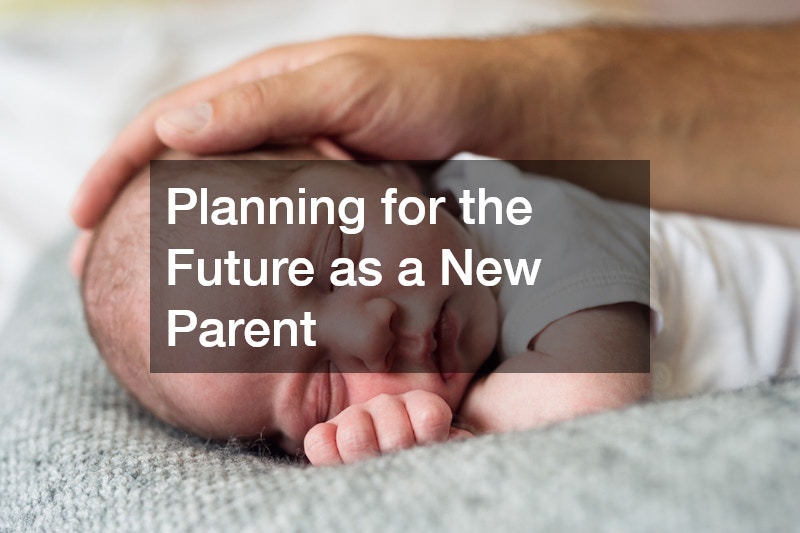

Bringing a new life into the world transforms your context overnight. Beyond the late-night feedings, diaper changes, and tiny milestone moments, parenthood introduces a profound responsibility to safeguard your child’s physical, emotional, and financial well-being. Designing a resilient blueprint for the upcoming years ensures that your household can handle both expected milestones and unexpected life events.=
Building a Strong Healthcare Network

Your child’s health and physical well-being will always be a top priority. Establishing a reliable medical network early on eliminates stress during routine checkups and unexpected health surprises.
Establish Care with Healthcare Professionals
Securing primary healthcare providers before or immediately after your baby arrives gives you peace of mind. Partnering with a dedicated family dentist ensures that early oral health habits, from tooth emergence to proper brushing routines, are monitored from the very beginning.
-
Schedule a first dental visit by your child’s first birthday or within six months of their first tooth appearing.
-
Incorporate twice-daily brushing routines early, using age-appropriate soft brushes and a tiny dab of suitable toothpaste.
-
Normalize routine clinical checkups so your young child builds comfort and familiarity with healthcare settings.
Know Your Options for Unexpected Medical Needs
Infants and toddlers frequently develop sudden fevers, minor injuries, or mysterious rashes outside of regular office hours. Visiting an urgent care clinic provides a quick, convenient alternative to crowded emergency rooms for minor medical situations, giving you access to immediate care without excessive waiting times.
-
Identify local walk-in care locations that feature specialized pediatric tools and board-certified practitioners.
-
Keep a list of operating hours and telephone numbers posted on your refrigerator and saved in your phone contacts.
-
Understand when to seek immediate emergency room services versus when walk-in medical facilities are appropriate.
Prioritize Daily Preventive Care and Wellness Routines
In addition to securing emergency and specialized care, focus on establishing consistent daily habits. Keep up-to-date immunizations, track growth velocity during routine pediatric checkups, and establish proper hygiene routines early to maintain long-term physical wellness.
-
Keep a centralized folder or mobile app to log height, weight, and developmental milestones after every pediatric visit.
-
Establish consistent handwashing habits before meals and after outdoor play to prevent common seasonal illnesses.
-
Maintain open communication with your primary care team regarding sleep hygiene, nutrition, and behavioral growth.
Establishing Financial Security and Protections

Financial stability provides the safety net that supports every aspect of your child’s upbringing. Structuring your assets and insurance coverage now protects your household against future uncertainties.
Re-Evaluate Life and Disability Insurance Coverage
Having adequate insurance ensures that your dependents remain financially supported no matter what life brings. Income replacement through term life insurance and short- or long-term disability policies covers everyday living expenses, housing costs, and educational funds if an earning parent becomes unable to work.
-
Calculate your family’s baseline living expenses to determine the appropriate depth of life insurance coverage.
-
Explore income protection policies that guard against illness or injury preventing normal workplace earning.
-
Review insurance coverage every few years or whenever significant major family milestones occur.
Establish an Emergency Savings Cushion
A robust financial emergency fund acts as a buffer against unexpected job changes, home maintenance costs, or medical bills. Aim to accumulate three to six months of liquid household operating expenses in an easily accessible high-yield savings account.
-
Set up automated monthly transfers directly from your checking account to build reserves without manual effort.
-
Keep emergency cash in high-yield, liquid accounts so funds remain accessible on short notice.
-
Separate emergency reserves from specific long-term savings goals like home purchases or family vacations.
Secure Essential Legal Estate Planning Documents
Creating a formal legal document set ensures that your wishes are respected and your children are protected. Naming legal guardians, drafting a simple will, and assigning financial power of attorney prevent court intervention and simplify asset management during difficult transitions.
-
Designate trusted legal guardians who share your parenting values to care for your children if necessary.
-
Establish medical and financial powers of attorney to handle legal decisions during unforeseen incapacity.
-
Store physical and digital copies of your estate planning documents in secure, accessible locations.
Nurturing Early Growth and Learning
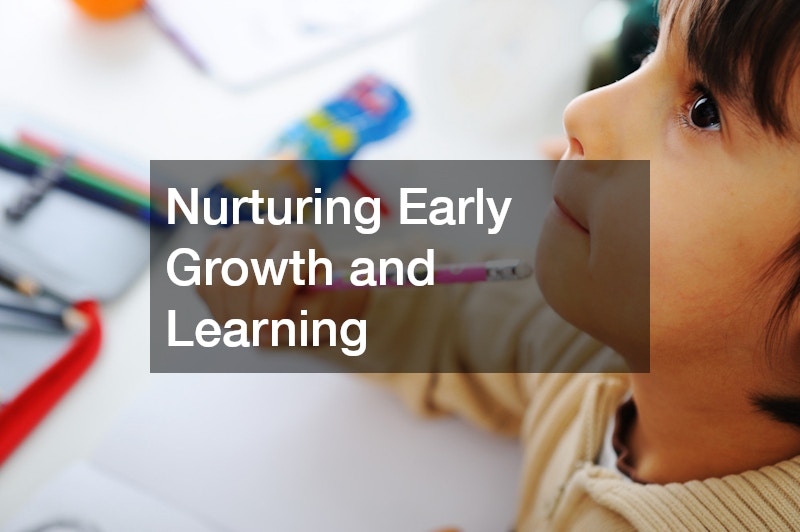
The first few years of a child’s life are marked by rapid brain formation and emotional growth. Thoughtful planning for daily care and early educational experiences through preschools lays a solid foundation for lifelong learning.
Support Early Sensory and Cognitive Milestones
The initial stages of life are filled with extraordinary growth, requiring thoughtful attention to physical, emotional, and cognitive milestones. Providing interactive play environments, responsive caregiving, and varied sensory experiences directly supports child development during these foundational years.
-
Offer simple, textured toys and varied floor activities to build fine motor control and physical balance.
-
Engage in frequent face-to-face interaction, verbal narrative, and responsive conversation throughout daily activities.
-
Limit screen exposure in early years to give priority to hands-on environmental exploration and social contact.
Optimize Daily Feeding and Sleeping Routines
Establishing structured daily routines around feeding, resting, and active play creates a predictable environment where young children feel safe. Mastering the nuances of infant care enables parents to manage sleep cycles, identify developmental cues, and adjust daily schedules as the baby grows.
-
Recognize early hunger and fatigue signals before a child becomes overly tired or distressed.
-
Design a calming, dark, and consistent sleep environment that supports healthy nighttime resting patterns.
-
Introduce single-ingredient solid foods gradually while watching carefully for any individual digestive sensitivities.
Choose Early Educational Programs That Fit Your Family
Selecting the right early learning environment requires evaluating different teaching philosophies and educational styles. Comparing options such as the best Montessori preschools helps parents find structured environments that encourage independence, self-directed learning, and hands-on exploration.
-
Observe classrooms during active learning hours to see how teachers guide student-led exploration.
-
Look for educational environments that emphasize self-correction, practical life skills, and sensory materials.
-
Assess whether the school’s structural layout promotes independent movement and decision-making for young minds.
Explore Specialized Early Language Learning Opportunities
Early childhood is the ideal window for language acquisition, as young minds absorb new sounds effortlessly. Enrolling your child in Spanish immersion preschools fosters bilingual proficiency, expands cultural awareness, and builds strong cognitive connections during early development.
-
Seek out educational settings where native-speaking educators conduct daily activities in the target language.
-
Reinforce language acquisition at home with multilingual music, audiobooks, and simple everyday vocabulary.
-
Value the cognitive adaptability, problem-solving skills, and empathy that early bilingual immersion promotes.
Research Local Early Learning Centers Early
High-quality early childhood programs often have lengthy waiting lists that require registration months in advance. Tour local facilities, review caregiver-to-child ratios, inspect safety features, and assess overall educational philosophy before committing to a specific program.
-
Schedule campus tours early in pregnancy or infancy to secure preferred placement options without stress.
-
Ask specific questions regarding caregiver turnover rates, sanitation procedures, and background checks.
-
Inquire about daily schedule flexibility, drop-off protocols, and holiday calendar alignment with your workplace.
Streamlining Educational and Administrative Logistics
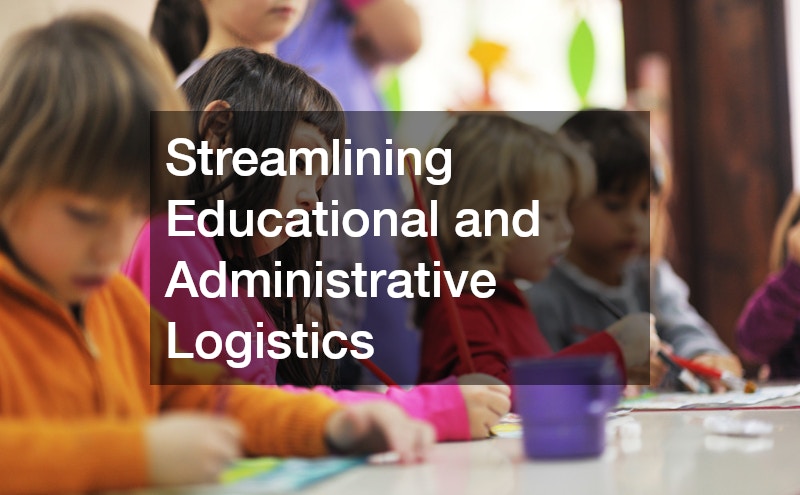
As your child grows and enters structured educational programs, managing schedules, tuition, communications, and extracurricular activities requires effective administrative tools.
Modernize Household Academic Tracking
Modern educational environments rely heavily on digital platforms to keep parents informed and engaged. Selecting educational providers that utilize a comprehensive school management system allows parents to easily track attendance, access progress reports, manage tuition payments, and communicate directly with educators.
-
Download and configure parent portal applications on your primary mobile devices for real-time updates.
-
Review weekly attendance logs, progress notes, and assignment notifications to catch potential issues early.
-
Utilize integrated digital payment features to automate monthly tuition, meal funds, and field trip fees.
Simplify Parent-Teacher Communication Channels
Streamlined communication reduces administrative friction and keeps you active in your child’s learning journey. Utilize digital portals and direct messaging tools provided by your child’s school to stay updated on curriculum updates, classroom events, and developmental progress.
-
Set up dedicated email folders or mobile notifications for non-urgent educational communications.
-
Participate regularly in scheduled parent-teacher conferences to discuss personalized learning targets.
-
Maintain brief, courteous, and constructive exchanges with classroom instructors regarding daily updates.
Organize Digital Records and Health Documentation
Maintain a centralized digital repository for all academic records, immunization forms, emergency contacts, and permission slips. Having easy access to these documents saves time during annual school enrollments, sports physicals, and extracurricular registrations.
-
Scan physical forms, medical releases, and birth certificates into secure cloud storage accounts.
-
Label digital files clearly by year and document type so you can retrieve records instantly when requested.
-
Keep physical backup copies of essential identification documents in a safe, fireproof home safe.
Fostered Community, Faith, and Social Connection
Raising a child successfully often takes a supportive community. Connecting with local neighborhood groups, faith organizations, and family networks provides emotional support and healthy social interactions for your child.
Engage with Community Faith and Value Programs
Connecting with local faith communities offers structured environments where children can learn core values while building friendships. Registering your children for Sunday school for kids gives them opportunities to participate in group activities, engage in moral education, and bond with peers in a supportive setting.
-
Visit various community organizations to find programs that align with your family’s values and beliefs.
-
Encourage participation in annual holiday pageants, charity drives, and community service projects.
-
Connect with other parents in these organizations to share parenting insights and mutual support.
Build a Network of Neighboring Families
Developing relationships with other local parents creates an informal support system for shared childcare, carpooling, and playdates. Community groups, neighborhood associations, and local library story hours are excellent spaces to connect with families facing similar parenting stages.
-
Attend local park meetups, library reading groups, and community events to meet nearby families.
-
Establish neighborhood group chats to coordinate playdates, meal trains, or emergency childcare needs.
-
Organize informal backyard gatherings to strengthen bonds between neighboring children and parents alike.
Encourage Extracurricular Social Development
Beyond structured schooling, participating in group activities like youth sports, music classes, or art workshops builds valuable social skills. These environments teach children teamwork, communication, resilience, and emotional intelligence through collaborative play.
-
Select introductory recreational activities based on your child’s natural interests rather than external pressure.
-
Emphasize sportsmanship, effort, and fun over competitive outcomes during early group activities.
-
Monitor your child’s schedule to ensure adequate unscheduled downtime alongside structured group activities.
Balancing Pet Integration and Family Safety
Adding a baby to a household with pets requires proactive management to ensure that everyone stays safe, comfortable, and well-adjusted to the new dynamic.
Prepare Pets for New Daily Family Schedules
Pets often experience stress when household routines change dramatically with a new baby. Gradually adjust feeding schedules, exercise routines, and boundaries weeks before the baby arrives so your pet adapts smoothly to shifting household priorities.
-
Introduce new baby sounds, scents, and equipment to pets gradually before bringing the infant home.
-
Establish safe off-limits spaces like the nursery using sturdy gates before the baby arrives.
-
Maintain consistent individual affection and exercise for your pets to reduce anxiety and jealousy.
Master Controlled Dog Handling and Behavior
Maintaining safe interactions between pets and young children starts with consistent behavioral training. Focusing on leash training a puppy establishes clear physical boundaries, builds control during outdoor walks with a stroller, and reinforces gentle obedience around young family members.
-
Practice walking with an empty stroller before the baby arrives to master smooth handling and leash control.
-
Use positive reinforcement techniques to teach essential commands like sit, stay, leave it, and drop it.
-
Enlist certified professional pet trainers early if your dog displays reactivity, anxiety, or stubborn behaviors.
Create Safe Physical Spaces for Pets and Children
Set up dedicated physical zones in your home where your pet can rest undisturbed away from a crawling baby. Use baby gates to keep play areas separated until your child understands how to interact gently and respectfully with animals.
-
Teach young children that pets must be left alone while eating, drinking, or sleeping in their beds.
-
Supervise all direct interactions between infants, toddlers, and pets without exception.
-
Create elevated retreat spots where cats or smaller dogs can easily escape frantic toddler energy.
Finding Balance and Long-Term Sustainability
Long-term family planning is not just about logistics, finances, and scheduling; it is also about maintaining parental energy, well-being, and marital harmony.
Prioritize Parental Self-Care and Mental Health
Parents cannot give what they do not have. Taking time for individual wellness, exercise, adequate sleep, and mental health care prevents burnout and ensures you bring your best energy to raising your child.
-
Coordinate short, daily relief breaks with your partner or family members to rest and recharge mentally.
-
Maintain personal hobbies, fitness routines, or reading habits outside of your daily parenting obligations.
-
Seek professional guidance or counseling promptly if you are feeling persistent anxiety, sadness, or overwhelming stress.
Nurture Partner Communication and Teamwork
Having a baby alters dynamic relationships and redistributes household responsibilities. Schedule regular, dedicated check-ins with your partner to discuss mental loads, share parenting tasks, adjust schedules, and reconnect emotionally.
-
Set aside regular distraction-free time to talk about life, interests, and non-parenting topics together.
-
Divide household administrative tasks clearly so one parent does not carry the entire mental burden.
-
Practice patience and active listening when navigating exhaustion or differing opinions on parenting choices.
Embrace Flexibility as Plans Evolve
No plan survives contact with reality entirely unchanged. As your child grows, your family’s needs, interests, and schedules will shift; staying adaptable allows you to adjust your approach without feeling overwhelmed by unexpected changes.
-
Revisit household goals and budgets annually to adapt to your child’s changing developmental needs.
-
Release perfectionism and focus instead on building a safe, supportive, and loving home environment.
-
Celebrate minor milestones, unexpected happy moments, and everyday family successes together along the way.
Navigating the transition into parenthood is a continuous journey of learning, adapting, and growing together as a family. By taking proactive steps across health management, financial planning, early education, and community building, you establish a resilient foundation for your child. The key is to address these tasks step by step, allowing you to focus on creating cherished memories while knowing your family’s future is secure.