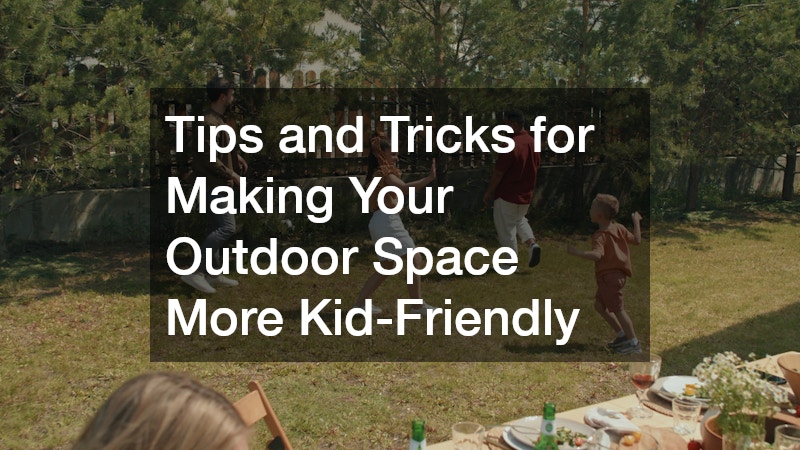

Creating an outdoor space where kids can learn, play, explore, and grow is one of the most rewarding projects a family can take on. Whether you have a sprawling backyard or a compact outdoor nook, thoughtful design can transform any area into a safe, engaging, and joy-filled environment. Kids are naturally curious, which means your outdoor space becomes an extension of their creativity. With the right planning, your yard can support both structured activities and spontaneous fun.
Many parents want their outdoor areas to encourage movement. Running, climbing, exploring textures, and observing nature all stimulate a child’s development. At the same time, safety and convenience matter just as much. The challenge is blending functionality with playfulness so the space feels effortless for adults and magical for kids.
As you think about what your ideal kid-friendly yard looks like, consider how your children already use the space. Do they gravitate toward sports? Are they budding gardeners? Do they enjoy sensory play? Their natural interests can help guide design elements that support long-lasting engagement.
A kid-friendly yard doesn’t have to be cluttered. With the right layout—organized storage, durable landscaping, and designated play zones—your outdoor space can be both functional and inviting. It can serve you in daily life while giving your kids the freedom to play and explore.
It is also helpful to design a yard that grows with your children. A toddler’s interests are not the same as those of a preteen, so flexible features such as patios, gardens, sports areas, and decks allow your space to evolve. You don’t need to add everything at once; building in stages lets you adjust your design over time.
Before installing new features, take time to assess whether your yard needs foundational prep work. Tree removal, debris clearing, soil improvement, and updated pathways can make a huge difference in the overall safety and flow of your outdoor environment.
The great thing about designing a kid-friendly outdoor space is that there’s no single correct approach. You get to create a landscape that reflects your family’s personality, priorities, and style. From quiet corners for reading to action-packed play zones, everything can be shaped to support the way your kids naturally spend time outdoors.
With these ideas in mind, let’s explore a variety of outdoor upgrades—from patios to pickleball courts—that can help you build a safer, more engaging, and more functional space for the whole family to enjoy.
Working With a Tick Control Company
When planning a kid-friendly yard, safety should always be at the top of your list. Kids often run through grass, climb near shrubs, and play close to wooded areas, which increases the likelihood of encountering insects. Partnering with professionals who offer tick control services is one of the simplest ways to reduce tick exposure and support a healthier outdoor environment.
These services do more than treat for ticks. Many companies offer integrated solutions that include habitat management, targeted barrier treatments, and seasonal schedules designed to reduce ticks at every stage of their life cycle. This layered approach gives your family more protection throughout the year.
Professionals can also make recommendations about landscaping adjustments that discourage ticks from settling in your yard. This may include creating mulch borders, removing leaf buildup, or relocating play structures away from shady, wooded areas. These tips help enhance safety while keeping your outdoor space comfortable for play.
Installing a Patio
Adding a patio is one of the most versatile upgrades you can make to a family-friendly backyard. Many families choose paver patio installations because pavers are durable, visually appealing, and ideal for high-activity areas where children play.
A patio creates a flat, sturdy surface that’s perfect for scooters, chalk art, outdoor crafts, and family gatherings. It becomes a natural extension of your home where kids and adults can enjoy shared activities. Pavers also come in a wide selection of colors and designs, offering endless creative possibilities.
One of the major benefits of paver patios is their longevity. If a single stone gets chipped or stained, it can be replaced without rebuilding the entire surface. This makes paver patios an excellent long-term investment for families.
Adding Walkway Pavers
Walkways help organize your yard and make it easier for kids to move safely between play areas. A walkway paver installation adds structure and convenience while protecting your lawn and garden beds from heavy foot traffic.
Clear paths also help reduce tripping hazards and muddy shoes, especially after rainfall. Whether kids are running to a playhouse, riding bikes, or carrying snacks to the patio, paver walkways guide them safely along designated routes.
Design-wise, walkways are incredibly flexible. You can create straight paths, curved lines, stepping-stone layouts, or wide walkways that accommodate strollers or wagons. They add charm and structure while supporting safe outdoor movement for all ages.
Planting a Garden
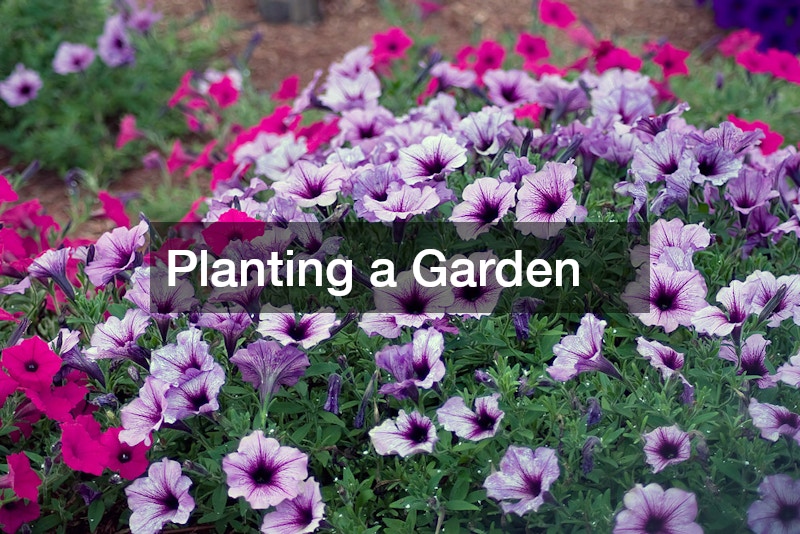
A garden is one of the most enriching additions to a kid-friendly backyard. Visiting your local garden plant nursery allows you to choose child-safe, climate-appropriate plants that bring color, texture, and learning opportunities into your space.
Kids often love planting, digging, watering, and harvesting. Gardening teaches patience and responsibility, making it a valuable hands-on activity. Raised beds, herb gardens, berry bushes, or pollinator-friendly plants can turn your outdoor space into a living classroom.
Gardens also support sensory development. Fragrant flowers, soft leaves, colorful petals, and interesting textures create a calming, exploratory environment. Kids who participate in gardening often develop a deeper appreciation for nature and healthy outdoor habits.
Removing Trees
Not all trees contribute to a safe outdoor space. Diseased trees, overgrown roots, unstable trunks, or low-hanging branches can pose risks to children who spend time outdoors. Hiring a tree removal service allows professionals to assess potential hazards and remove problem trees safely.
Tree removal opens up fresh possibilities for your backyard design. You may create more sunlight for garden beds, free up room for a play structure, or clear a larger area for sports and recreation. Removing certain trees can also improve visibility so you can keep a closer eye on children while they play.
Although removing a tree can feel like a big decision, it often results in a safer, more open, and better-functioning outdoor environment.
Adding a Swimming Pool
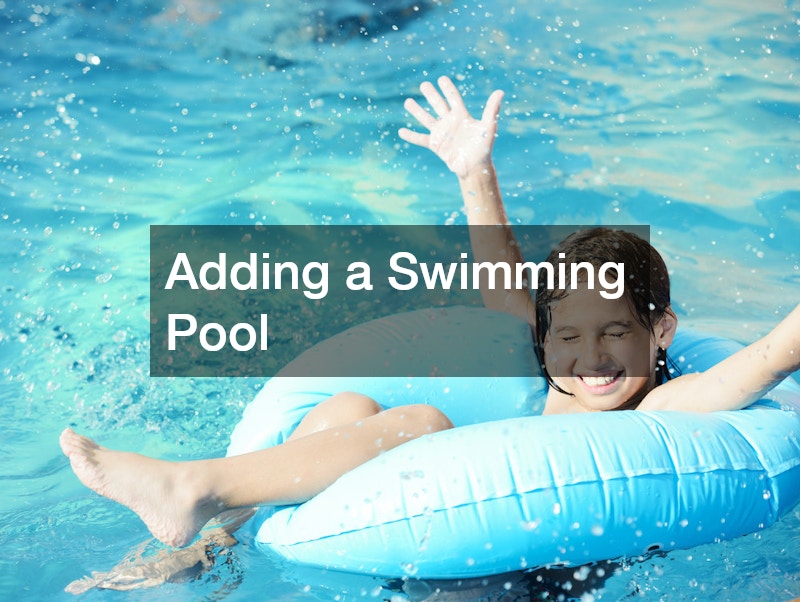
Few backyard features excite kids as much as a swimming pool. Working with a professional swimming pool installer helps you design a pool that fits your space, your lifestyle, and your family’s comfort level.
Pools offer hours of entertainment and encourage kids to be active. Features like shallow zones, fountains, and built-in seating make pools safer and more accessible for younger children. Many installers also offer child-safe fencing and covers to help protect your family.
A pool also becomes a natural gathering place for friends, neighbors, and relatives. Summer birthdays, weekend barbecues, and after-school swim sessions all become more memorable with a pool in the backyard.
Building a Deck
Decks offer families a versatile outdoor living area for relaxing, dining, playing, and socializing. Partnering with deck building contractors allows you to design a deck that complements your home and fits your yard’s layout.
A deck provides a raised platform that helps define different areas of your outdoor space. Parents can relax with a book while keeping an eye on kids playing below, or you may choose to use part of the deck for storage, crafts, or outdoor learning zones.
Materials like composite decking can make your deck easy to maintain and kid-friendly. You can also incorporate railings, shade structures, benches, and planters to customize the space to your family’s needs.
Utilizing a Storage Pod or Shed
Outdoor toys, gardening tools, sports equipment, and seasonal items can quickly overwhelm your yard if they don’t have a designated home. A local storage pod or backyard shed keeps everything organized and accessible.
Storage pods are great temporary solutions during home projects or seasonal transitions, while permanent sheds offer long-term organization. With shelves, hooks, and labeled bins, kids can learn to find what they need and put items away when they’re done.
Keeping clutter under control makes your yard feel more open and inviting. It also reduces tripping hazards and helps maintain the flow of your outdoor layout.
Installing a Small Pickleball Court
Pickleball is growing in popularity for families because it’s fun, low-impact, and easy for kids to learn. Working with professionals who offer pickleball court construction ensures your court is built with the right materials, dimensions, and layout for your yard.
A small court doesn’t require much space, and it quickly becomes a hub for movement and play. Kids improve hand–eye coordination, agility, and teamwork, while adults enjoy a friendly game right alongside them. It’s a great way to bring the whole family together.
Portable or permanent nets, colorful boundary lines, and durable court surfaces make this a vibrant addition to any backyard.
Setting Up a Volleyball Net

If your family enjoys active games, setting up a volleyball area can add exciting variety to your outdoor space. Drawing inspiration from volleyball summer camp, kids can practice serving, bumping, and setting while enjoying friendly games with siblings or neighborhood friends.
You can create a grass court for simplicity or go all-out with a sand court for a beach-style experience. Adjustable nets allow players of different ages and heights to participate comfortably.
Volleyball encourages teamwork, communication, and physical activity, making it a fantastic addition for families who value movement and outdoor play.
Making Your Yard Kid-Friendly
Creating a kid-friendly yard is all about thoughtful planning, safe materials, and a welcoming layout. It doesn’t need to feel like an amusement park; instead, the goal is to create spaces that naturally encourage play, imagination, and exploration.
Begin by establishing zones for different activities. This helps maintain order and keeps the yard from feeling cluttered. Kids understand where sports areas, quiet zones, and garden spaces begin and end, which helps them use each part of the yard more fully.
Safety should guide your choices. Tick control, smooth walkways, secure storage, and professional tree care all help create an environment where kids can enjoy themselves freely and parents can feel confident.
Think long-term as well. Features like patios, decks, pools, and sports courts remain enjoyable as kids grow older. These elements also add lasting value to your home.
Comfort and nature should also play a role. Gardens, shaded areas, and cozy seating encourage kids to slow down, read, or enjoy the outdoors in a peaceful way. Sensory features like plants, stones, water, and wood create variety and interest.
Keeping the yard tidy with storage solutions makes the space more inviting. It also teaches kids responsibility and keeps your outdoor environment safe and easy to navigate.
Most importantly, your yard should reflect your family’s personality. Whether your kids love sports, crafts, gardening, swimming, or imaginative play, you can design the space to support and encourage the activities they enjoy the most.
With thoughtful upgrades, your backyard can become a place of learning, laughter, creativity, and lifelong memories.
Another helpful step in making your yard more kid-friendly is to consider how the space looks and feels throughout the day. The way your yard functions in the morning may be very different from how it’s used in the evening. Adding comfortable seating, shaded areas, and well-planned lighting can keep your outdoor space enjoyable no matter the time. Soft lighting near pathways, decks, and play areas allows kids to play safely while giving your yard a warm, inviting atmosphere for nighttime family time.
It’s also worth thinking about how your yard can support independent play. Kids thrive when they have areas they feel comfortable exploring on their own. Creating nooks—like a small reading corner, a garden digging spot, or a cozy hammock area—gives children quiet spaces to unwind and use their imagination. These areas don’t have to be elaborate to feel special; even a simple shaded corner with cushions or a sensory bin can become a child’s favorite place.
Your outdoor space should also adapt to seasonal changes. In the warmer months, water play, sports, and gardening might take center stage. As the weather cools, fire pits, outdoor blankets, and sheltered play areas can keep the excitement going. By planning for year-round enjoyment, your yard becomes a dependable place for the family to gather, regardless of the season. This thoughtful approach helps you get the most out of every upgrade you make.
Another key element of a kid-friendly yard is encouraging social interaction. Playdates, family gatherings, and neighborhood get-togethers become easier when your outdoor space is designed to accommodate groups. Whether you’re adding seating, sports courts, or open play zones, creating a welcoming environment supports both friendships and family bonding. A space that brings people together will always be one of the most valuable features of your home.
Lastly, remember that the best kid-friendly yards are built with joy and curiosity in mind. Every addition—from patios and walkways to gardens and sports courts—helps shape a space where your children can grow, learn, and create lasting memories. When you approach your yard with creativity and intention, it becomes far more than a place to play; it becomes a backdrop to your family’s everyday life. With the right mix of safety, design, and imagination, your outdoor space truly becomes a place where kids flourish.